How to Promote Inclusivity in Community Events
Inclusivity in community events is essential for fostering a sense of belonging and participation among all community members. This article will explore practical strategies to ensure that local events cater to diverse audiences, highlighting the importance of representation and accessibility.
Understanding the Importance of Inclusivity
Inclusivity is about more than just ensuring everyone can participate; it involves acknowledging and valuing the diverse backgrounds, abilities, and perspectives within a community. According to a study by the National Endowment for the Arts, events that actively promote inclusivity often see increased attendance and engagement, with participants reporting a greater sense of connection to their community.
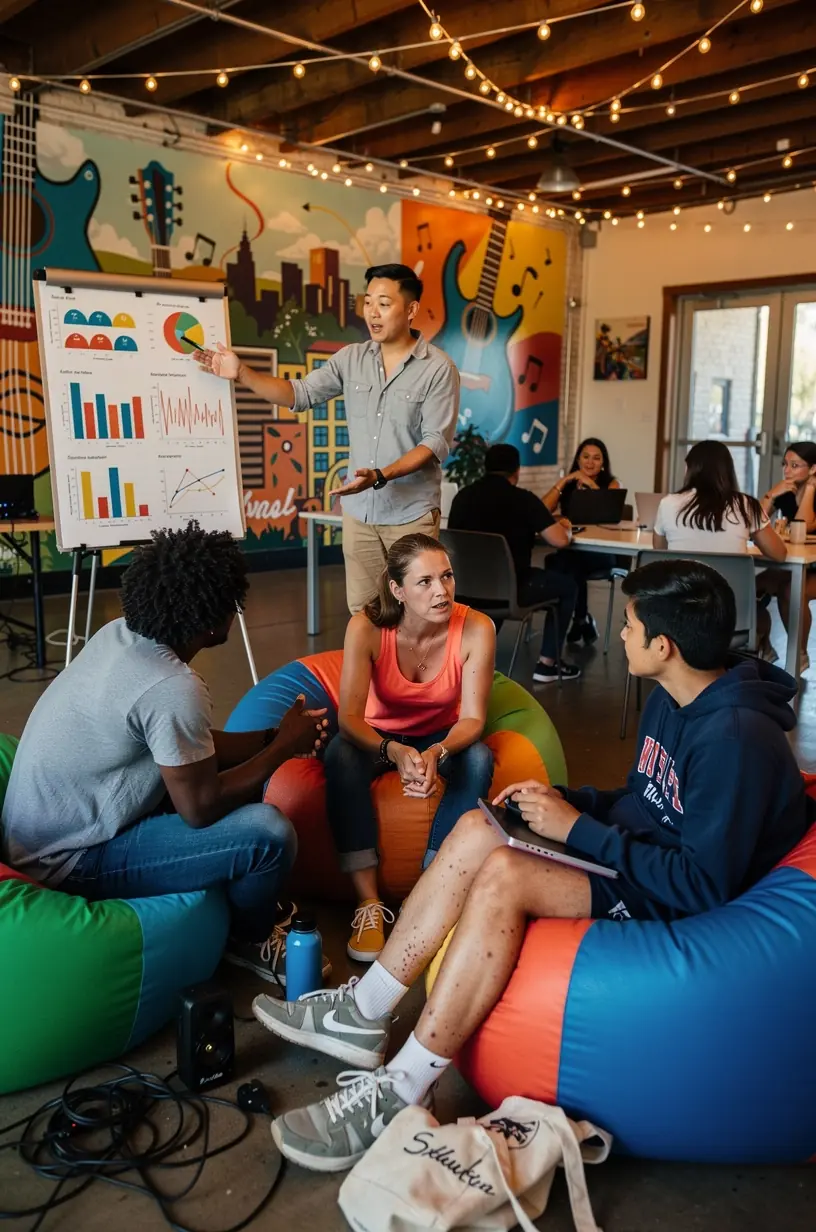
"Inclusivity in events fosters a culture of acceptance and understanding, which enhances overall community well-being."
Strategies for Promoting Inclusivity
Effective strategies for fostering inclusivity in community events often involve careful planning and consideration of various factors. Here are several actionable steps to enhance inclusivity:
- Conduct Surveys and Gather Feedback: Before planning an event, consider surveying community members to understand their needs and preferences. Many experts recommend this approach, as it helps identify potential barriers and ensures that events reflect the interests of diverse groups.
- Choose Accessible Venues: Selecting a venue that is physically accessible to individuals with disabilities is crucial. Research shows that approximately 1 in 4 adults in the U.S. has some form of disability, highlighting the need for accessible spaces. Ensure restrooms, seating, and pathways are designed for all.
- Incorporate Diverse Representation: Aim for diverse representation in event programming, including speakers, performers, and vendors. This not only showcases local talent but also resonates more deeply with various community members. Studies indicate that representation can enhance the relatability and impact of the event.
- Provide Materials in Multiple Languages: Depending on the demographics of your community, offering event materials in multiple languages can significantly improve accessibility. Current research suggests that bilingual or multilingual resources can enhance participation for non-English speakers.
- Ensure Financial Accessibility: Implementing a sliding scale for entry fees, or offering scholarships for participants, can make events more financially accessible. This approach acknowledges that financial constraints should not prevent individuals from engaging with their community.
Creating a Welcoming Atmosphere
The atmosphere of an event plays a critical role in promoting inclusivity. Consider the following:
- Train Staff and Volunteers: Providing training on inclusive practices to staff and volunteers can ensure that everyone feels welcome and valued. Many organizations recommend this as a best practice for community engagement.
- Encourage Open Dialogue: Creating spaces for open dialogue can foster a sense of safety. Consider having moderated discussions or feedback sessions where participants can share their thoughts and experiences.
- Foster Community Collaboration: Collaborating with local organizations that serve underrepresented populations can enhance your event's inclusivity. By partnering with these groups, you can tap into their expertise and networks, ensuring a wider reach.
Conclusion
Promoting inclusivity in community events is an ongoing process that requires thoughtful planning and commitment. By implementing the strategies outlined above, event organizers can create welcoming environments that cater to the diverse needs of their community members. Remember, inclusivity not only enriches the event experience but also strengthens community bonds, leading to a more engaged and connected community.
Learn More