Sharing Local Folklore: A Cultural Exploration
Folklore serves as a vital part of cultural identity, offering insights into the values, beliefs, and traditions of a community. In the United States, myriad local legends, tales, and traditions reflect the rich tapestry of its diverse populations. This article explores how these stories shape community bonds and preserve history while providing practical recommendations for sharing and celebrating local folklore.
Understanding the Importance of Folklore
According to anthropologists and cultural historians, folklore encompasses the stories, customs, and artistic expressions that are passed down through generations. These narratives often convey moral lessons, historical events, and cultural norms. Experts in cultural studies suggest that participating in folklore activities can enhance community cohesion and foster a sense of belonging.

"Folklore is the heart of a community, connecting individuals through shared stories and experiences."
Local Folklore Examples Across the US
Throughout the United States, various forms of folklore manifest in different regions:
- The Mothman: A cryptid legend from West Virginia, often associated with sightings of a mysterious creature prior to disasters.
- Paul Bunyan: A giant lumberjack known in American folklore, symbolizing the logging industry and pioneer spirit, particularly in the northern states.
- La Llorona: A haunting tale prevalent in Latino communities, recounting the sorrowful story of a woman searching for her lost children.
How to Share Local Folklore Effectively
Engaging with local folklore can be done in various ways that contribute to cultural preservation:
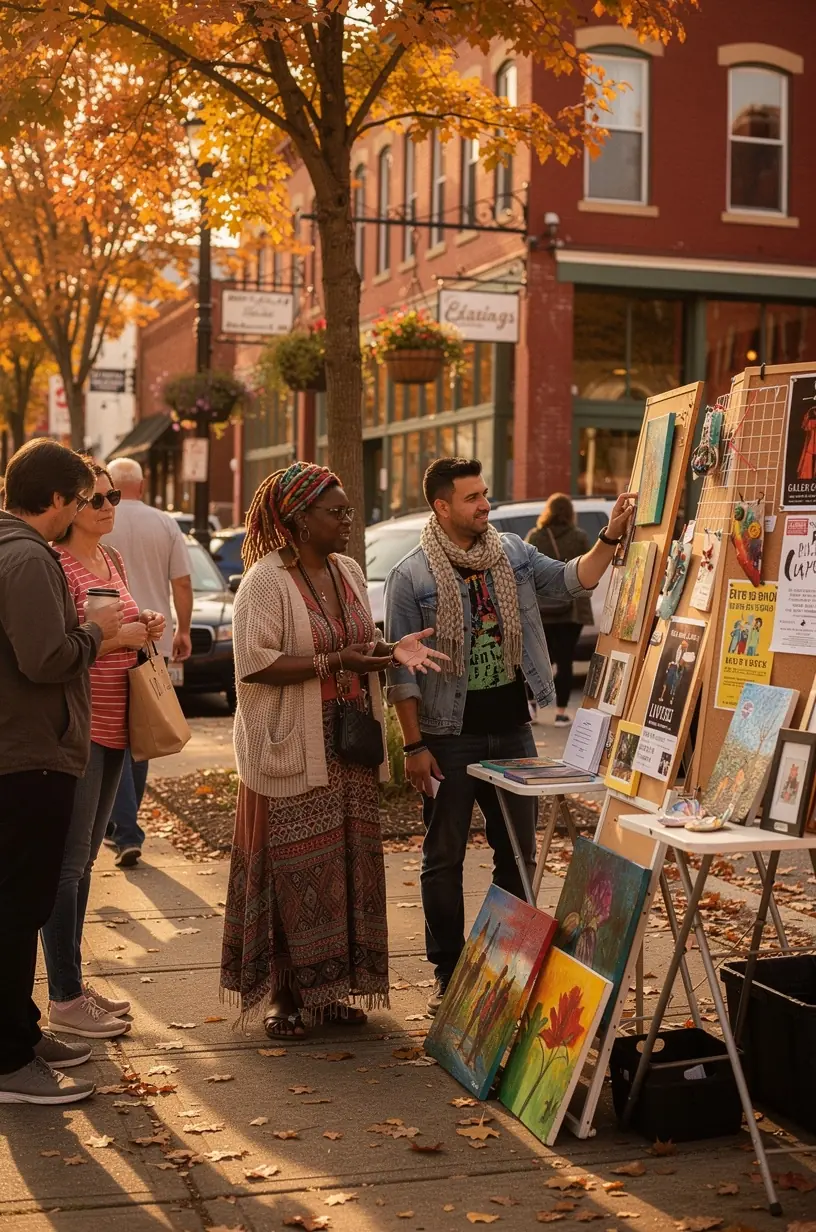
- Storytelling Events: Organizing community gatherings where local storytellers can share their tales. Research indicates that such events can attract diverse audiences and foster dialogue.
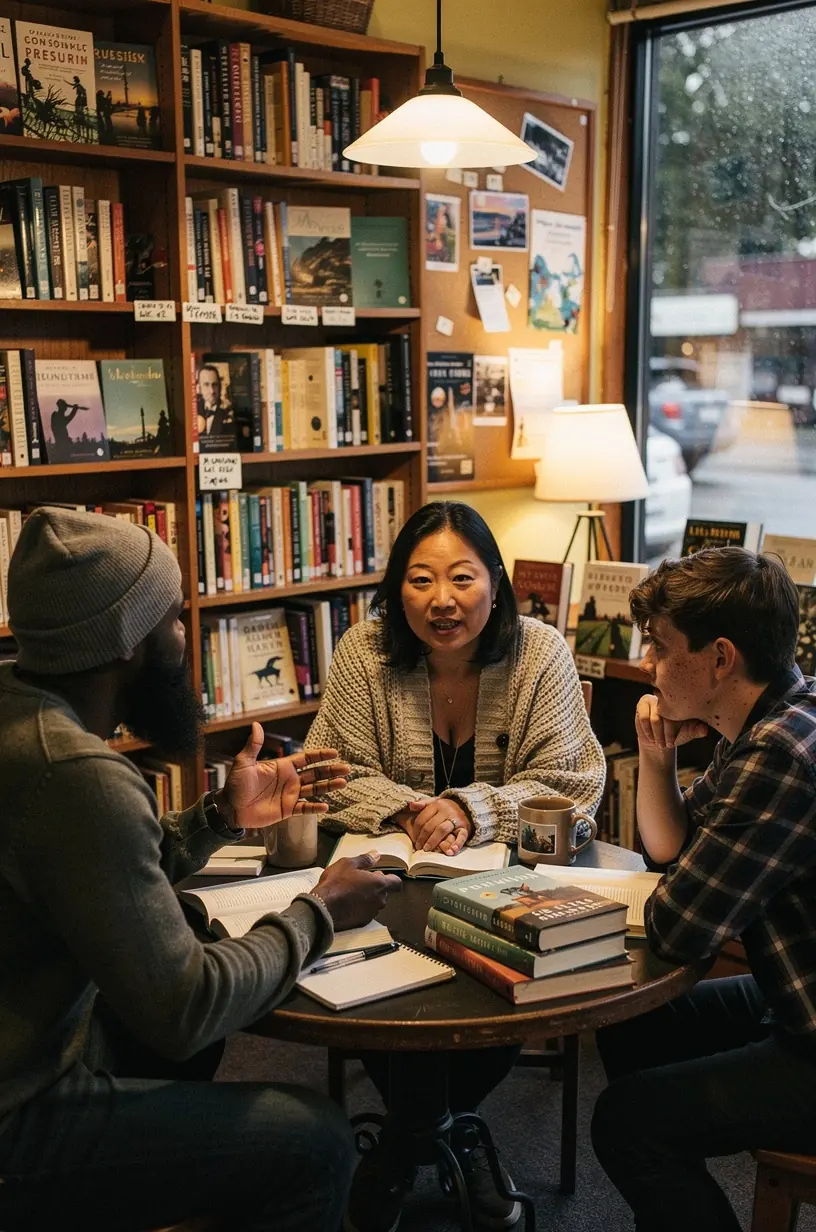
- Workshops on Folklore: Hosting workshops that educate participants about the significance of local folklore and the techniques of oral storytelling. This typically involves a commitment of a few hours per session, often spread across several weeks.
- Documenting Stories: Encouraging community members to record personal narratives. Many users report that this process not only preserves stories but also strengthens community ties.
Conclusion
Sharing local folklore is not merely about preserving history; it serves as a bridge connecting past and present, enriching community life. By understanding the importance of these stories and engaging with them through various means, individuals can play an active role in cultural preservation. It is essential to approach this task with dedication and a willingness to learn from others, ensuring that these rich narratives continue to thrive for generations to come.