
Practical Steps for Hosting a Local Farmers' Market
Organizing a local farmers' market can be a rewarding endeavor that enhances community engagement while supporting local agriculture. However, it requires careful planning and execution to be successful. This article outlines practical steps based on industry standards and expert recommendations to help you get started.
Understanding the Basics of a Farmers' Market
Farmers' markets typically serve as a venue for local farmers, artisans, and food producers to sell their products directly to consumers. According to the USDA, these markets not only support local economies but also promote sustainable agricultural practices. Research has shown that communities with farmers' markets often see increased access to fresh produce and enhanced social interaction among residents.
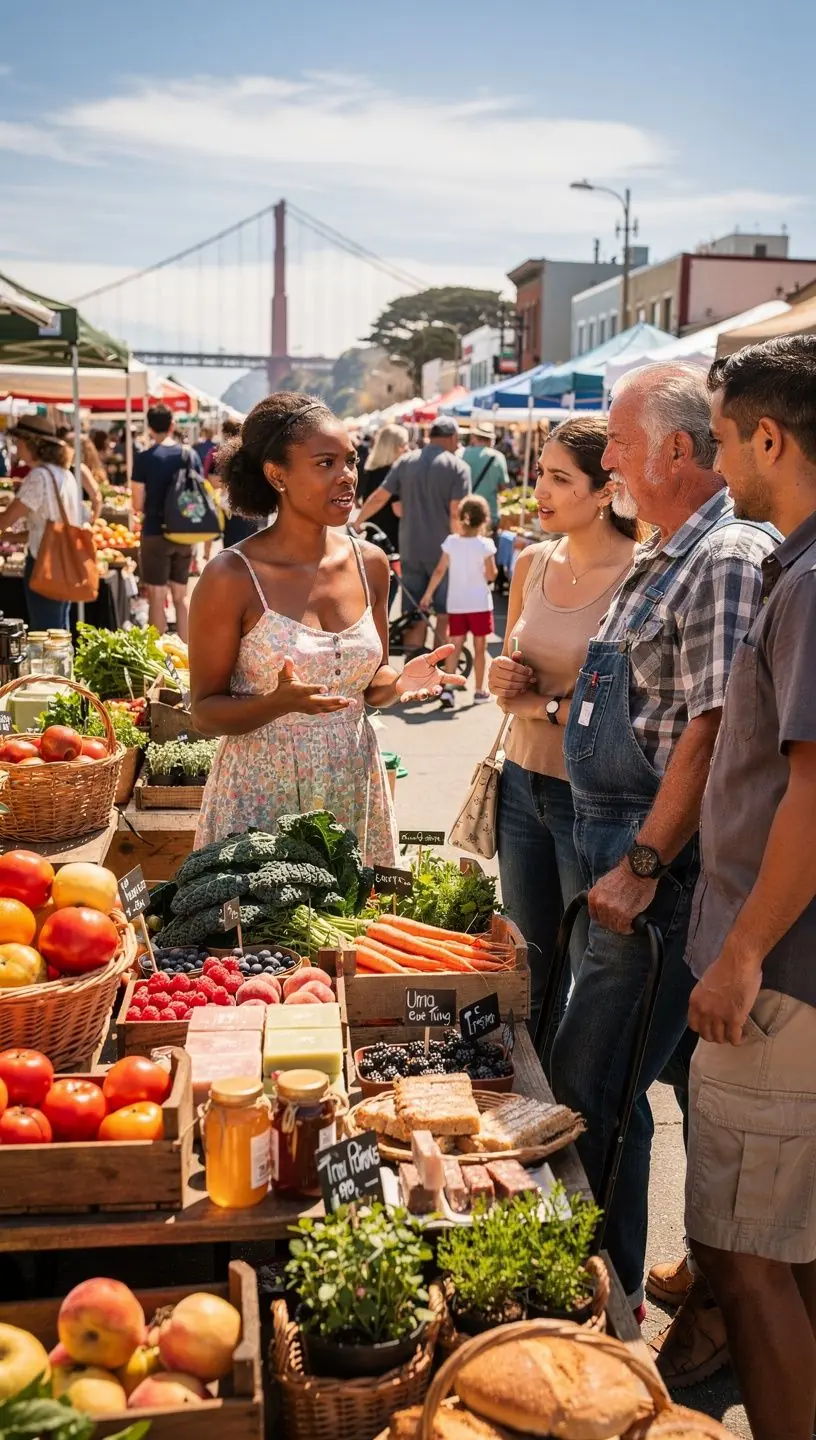
"Farmers' markets have become essential to community health, providing not just food but also social connections and educational opportunities." - Local Agriculture Expert
Step-by-Step Guide to Hosting a Successful Market
- Conduct Community Research: Start by understanding your community's needs and preferences. Surveys and informal interviews can provide insights into what products residents are interested in purchasing. Research shows that markets offering diverse, local products tend to attract greater foot traffic.
- Choose a Suitable Location: A successful farmers' market typically needs a high-traffic location that is easily accessible. Parks, community centers, and school grounds are popular choices. Consider factors such as visibility, parking availability, and local regulations regarding public gatherings.
- Engage with Local Farmers and Vendors: Building relationships with local farmers is crucial. Reach out to potential vendors well in advance—most experts recommend starting this process at least three to six months prior to your market's launch. Offering a mix of produce, baked goods, and artisan crafts can enhance the market's appeal.
- Obtain Necessary Permits: Before launching, research local regulations regarding permits and licenses required for operating a farmers' market. This may include health permits for food vendors and insurance coverage for the event. Compliance with local laws is essential to ensure a smooth operation.
- Promote Your Market: Effective promotion is key to attracting visitors. Utilize social media, local newspapers, and community bulletin boards to spread the word. Successful markets often see substantial increases in attendance through strategic advertising campaigns.
- Plan for Logistics: Organizing the physical layout of the market is important for ensuring a positive experience. Consider spacing between vendors for accessibility and plan for waste management solutions. Many operators find that a well-organized market layout can significantly enhance customer flow and satisfaction.
Challenges to Consider
While hosting a farmers' market can be beneficial, it also comes with challenges. Operations typically require a significant commitment of time for planning and management. Additionally, weather conditions can affect attendance, which is an important factor to be prepared for. Markets may also need to adjust their offerings based on seasonal availability of products.
Conclusion
Hosting a local farmers' market is a multifaceted endeavor that can significantly benefit your community. By conducting thorough research, engaging with local vendors, and promoting effectively, you can create an event that thrives and fosters community spirit. It is essential to approach this project with realistic expectations, acknowledging both the effort involved and the potential rewards. With careful planning and dedication, your farmers' market can become a staple of local culture and commerce.
Learn More