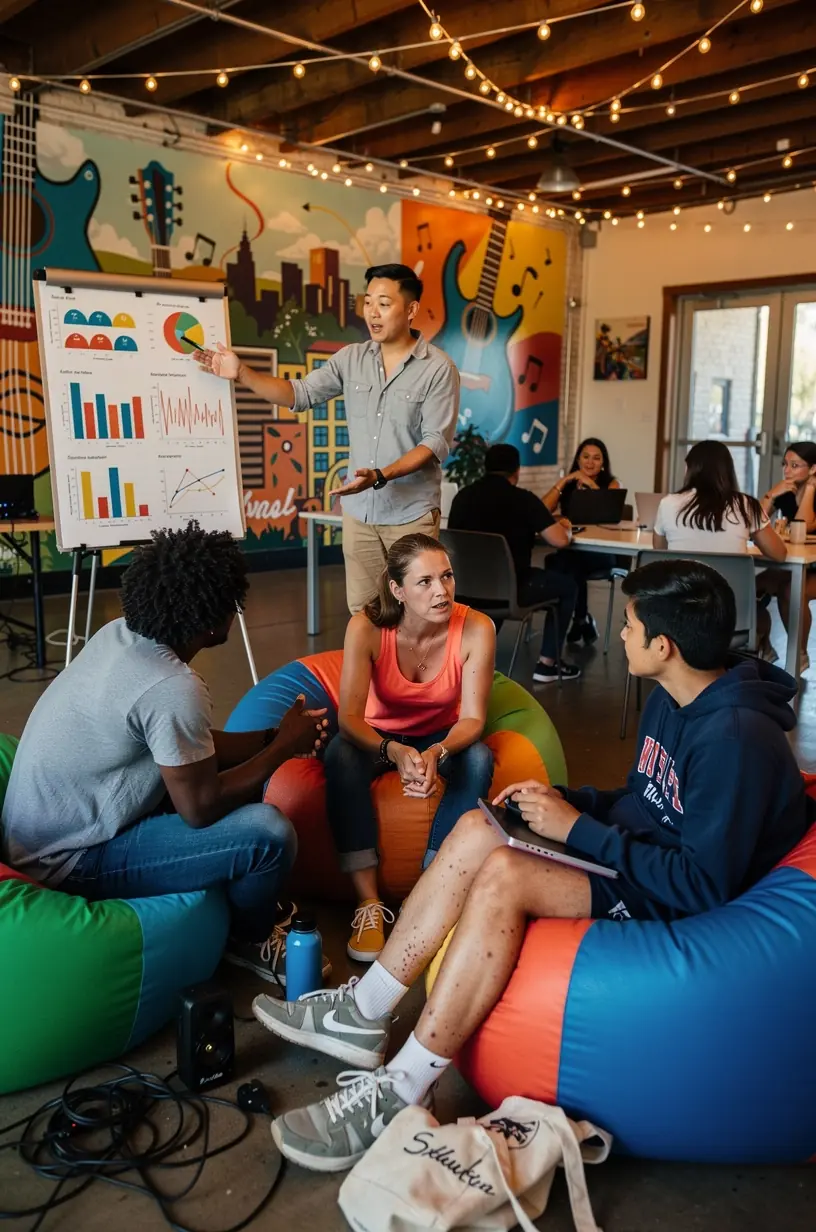
Understanding the Importance of Public Spaces
Public spaces play a crucial role in fostering community engagement and promoting social interaction. This article explores the significance of these areas, backed by research and expert insights, while offering practical recommendations for enhancing them.
The Role of Public Spaces
Public spaces, including parks, plazas, and community gardens, serve as vital hubs for social interaction and cultural exchange. According to urban planning studies, these areas can significantly contribute to the overall well-being of communities by providing a venue for recreational activities, cultural events, and social gatherings.
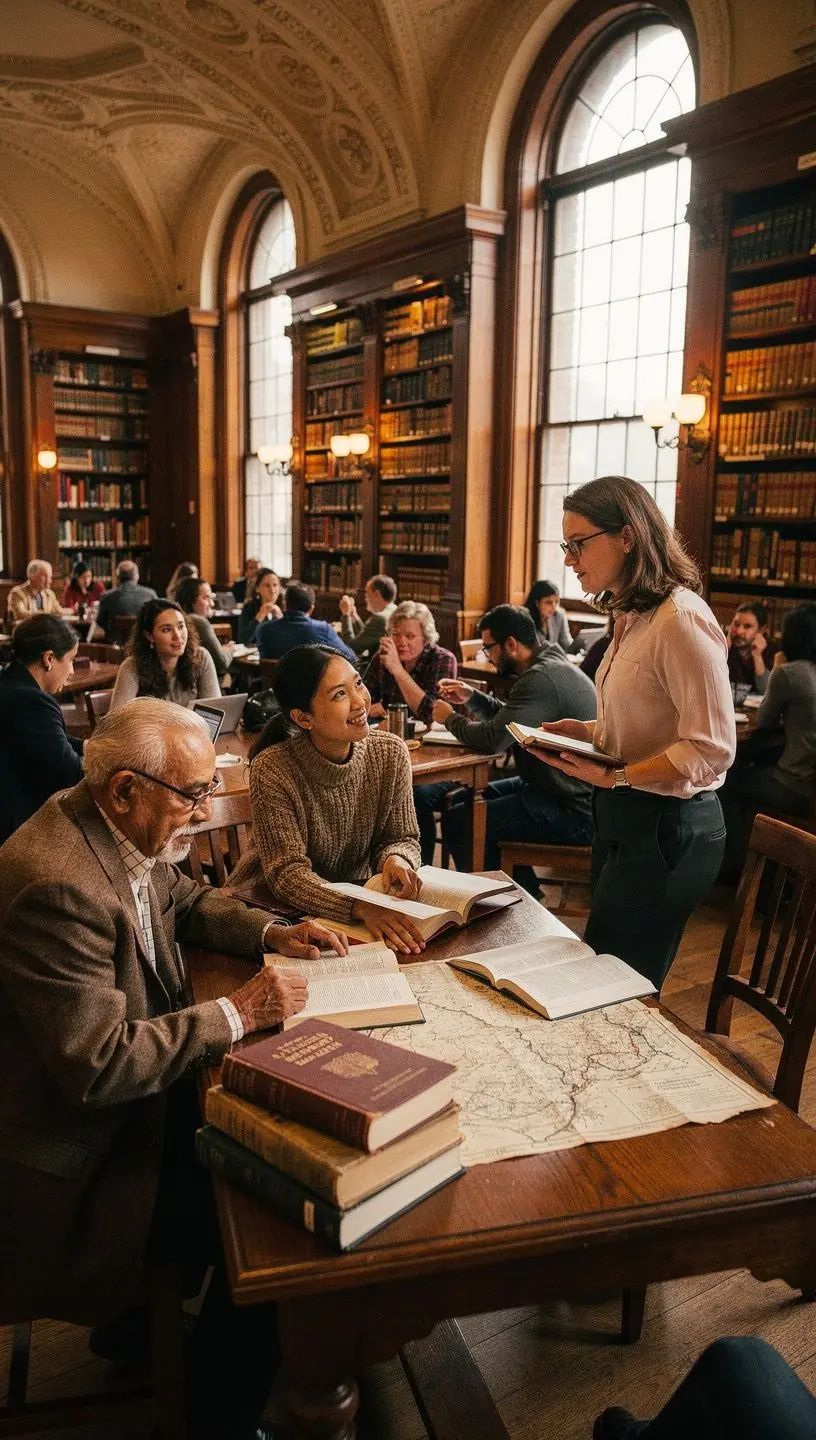
"Public spaces are essential for cultivating a sense of community and belonging, allowing residents to connect and interact." - Urban Planning Expert
Benefits of Well-Designed Public Spaces
Research indicates that well-designed public spaces can lead to various positive outcomes, including:
- Increased Community Engagement: Public spaces often host events that foster community connections, such as farmers' markets or cultural festivals.
- Improved Mental Health: Access to green spaces has been shown to reduce stress and promote mental well-being, with studies suggesting that spending time outdoors can enhance mood and cognitive function.
- Boost to Local Economies: Vibrant public spaces can attract visitors, stimulating local businesses and creating economic opportunities.
Enhancing Public Spaces: Practical Recommendations
To maximize the benefits of public spaces, communities can implement several strategies:
- Involve the Community: Engaging local residents in the design and programming of public spaces can ensure that these areas meet the needs of the community. This typically involves surveys or public meetings to gather input.
- Prioritize Accessibility: Ensuring that public spaces are accessible to all, including individuals with disabilities, is essential. This may involve adding ramps, seating, and signage that accommodates diverse users.
- Incorporate Sustainable Practices: Utilizing environmentally friendly materials and practices when developing public spaces can contribute to sustainability goals. Examples include planting native vegetation and using permeable surfaces for walkways.
Challenges and Considerations
While enhancing public spaces offers numerous advantages, it is important to acknowledge potential challenges:
- Funding and Resources: Developing and maintaining public spaces often requires significant investment, which can be a barrier for some communities.
- Maintenance: Ongoing upkeep is essential to ensure that public spaces remain welcoming and safe for users.
- Balancing Interests: Different user groups may have conflicting needs or preferences, requiring careful planning and negotiation.
Conclusion
Public spaces are integral to the health and vitality of communities across the U.S. By understanding their importance and implementing thoughtful, community-driven enhancements, municipalities can create vibrant areas that foster connection, support well-being, and stimulate local economies. Engaging with local residents, prioritizing accessibility, and incorporating sustainable practices are effective strategies that can lead to more effective public spaces. Acknowledging the challenges involved and preparing to address them can further strengthen the impact of these essential community areas.
Learn More