Understanding Regional Craft Beverages and Their Trends
As the craft beverage movement continues to expand across the United States, understanding the nuances of regional specialties and emerging trends can enhance appreciation and foster local engagement. This article explores various craft beverages, their origins, and what current trends suggest about consumer preferences.
Understanding Craft Beverages
Craft beverages, including beers, wines, and spirits, are often characterized by their production methods and local ingredients. According to the Brewers Association, craft beer is defined by its small production size, independent ownership, and traditional methods. This distinction allows craft breweries to focus on quality and creativity, often resulting in unique flavors that reflect local culture and resources.
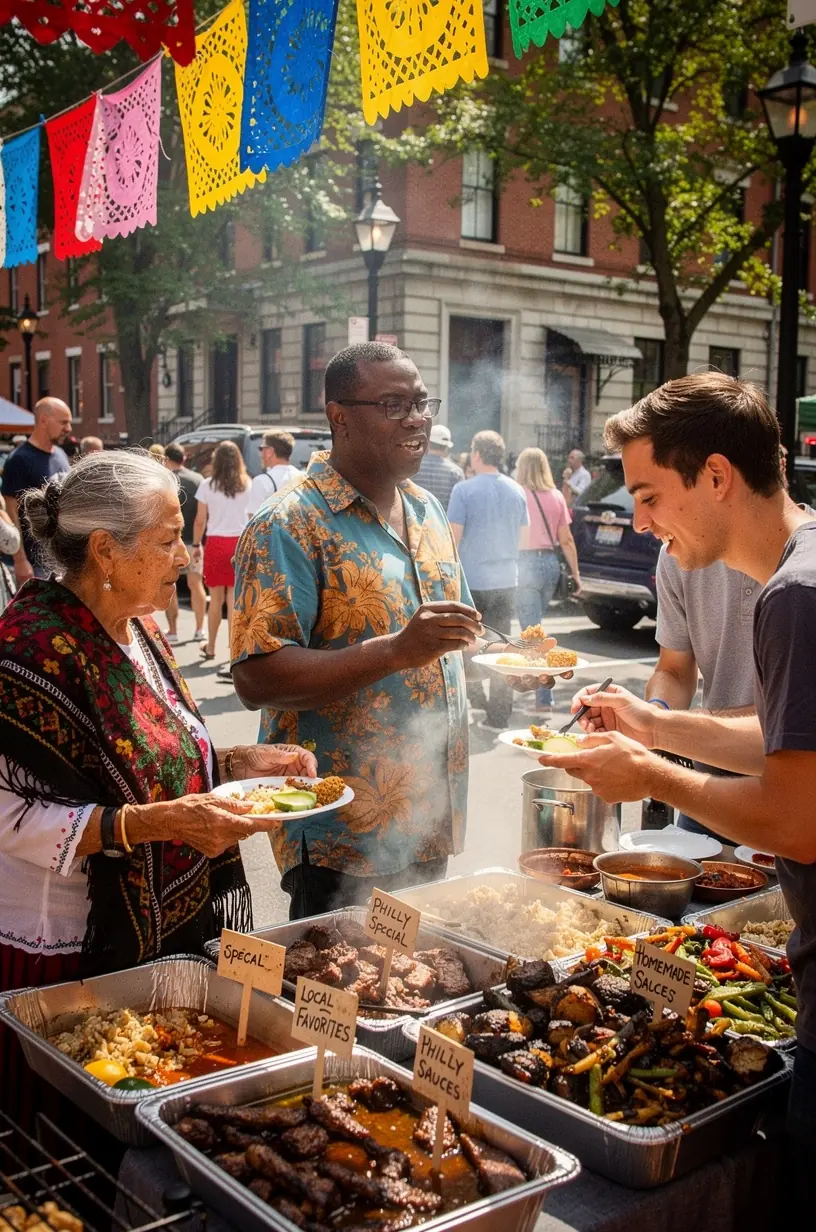
"The craft beverage industry is not just about the product; it’s about the story behind it, which often resonates with consumers seeking authenticity." - Beverage Industry Expert
Regional Influences on Craft Beverages
Each region of the U.S. contributes distinct characteristics to its craft beverages, influenced by local ingredients, climate, and cultural heritage. For example:
- Pacific Northwest: Known for its hoppy IPAs and innovative brewing techniques, this region often utilizes local hops and malt.
- New England: Characterized by hazy IPAs, many breweries focus on soft water profiles and fruity hops to create juicy flavors.
- Midwest: Home to a mix of traditional and experimental styles, many craft producers emphasize sustainable practices and farm-to-table ingredients.
Current Trends in Craft Beverages
Staying informed about trends within the craft beverage space can provide valuable insights for enthusiasts and industry professionals alike. Research indicates several key trends shaping the market today:
- Low and No Alcohol Options: As health-conscious consumers seek alternatives, many breweries are developing low-ABV and non-alcoholic beverages. Industry experts suggest these options are likely to grow in popularity, appealing to a broader audience.
- Sustainability Practices: Many producers are adopting eco-friendly practices, from sourcing ingredients locally to implementing sustainable packaging solutions. This trend not only meets consumer demand for environmentally responsible products but also fosters community support.
- Flavor Innovation: Experimentation with unusual ingredients, such as spices, fruits, and botanicals, is on the rise. This creative approach allows craft producers to differentiate themselves in a crowded market, often leading to limited-edition releases that attract consumer interest.
Engaging with Local Craft Beverages
To fully appreciate regional craft beverages, consider the following approaches:
- Visit Local Breweries: Engaging directly with producers offers insights into their processes and story.
- Attend Tastings and Festivals: Participating in these events can enhance understanding of various styles and trends, while also connecting with like-minded enthusiasts.
- Stay Informed: Following industry publications and local blogs can provide updates on emerging trends and new product releases.
Conclusion
Understanding regional craft beverages involves appreciating their unique stories, the influence of local ingredients, and emerging trends that shape consumer preferences. By engaging with local producers and staying informed, enthusiasts can not only enhance their experience but also support their communities. As the craft beverage landscape continues to evolve, fostering a connection with these local specialties remains crucial.